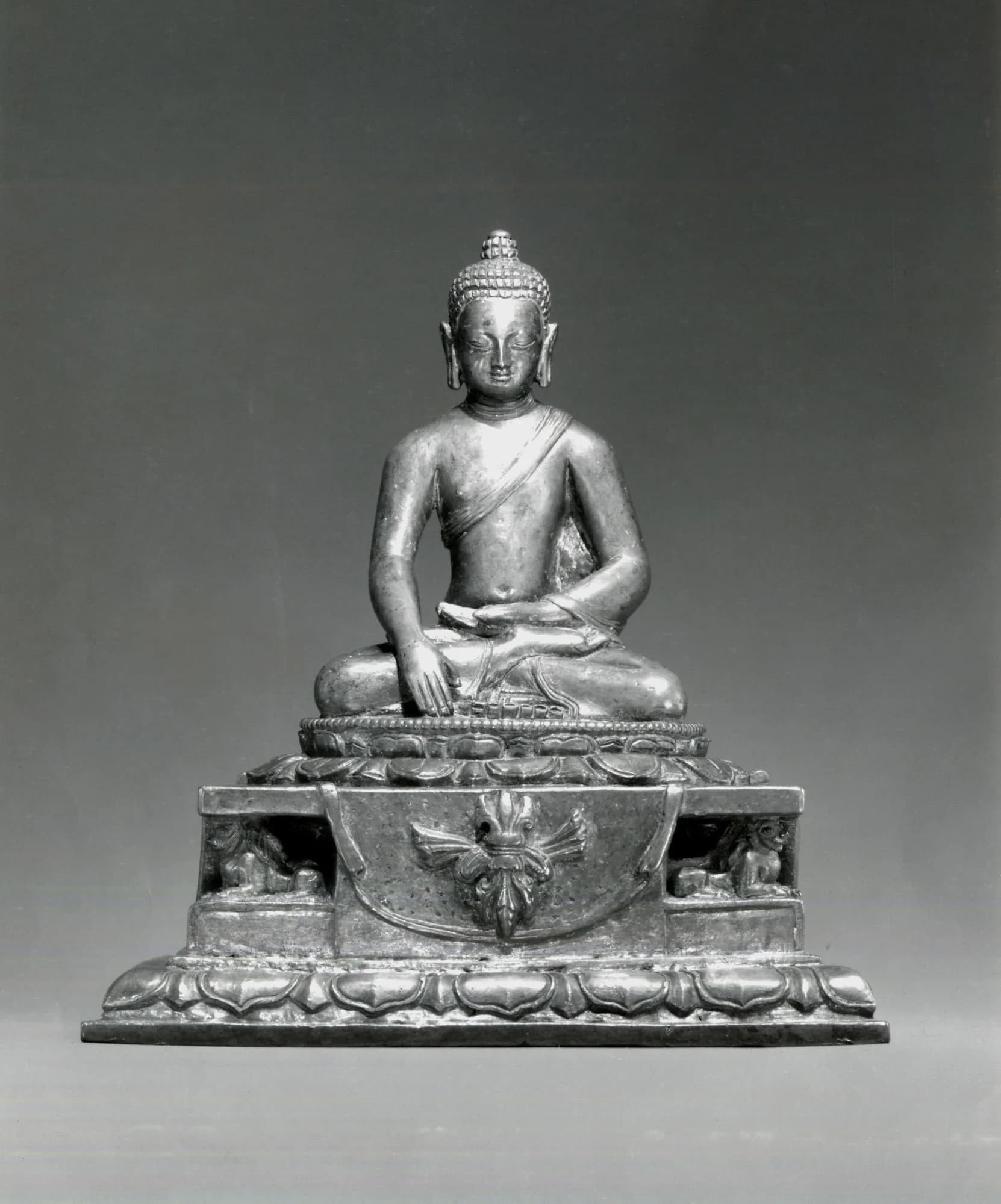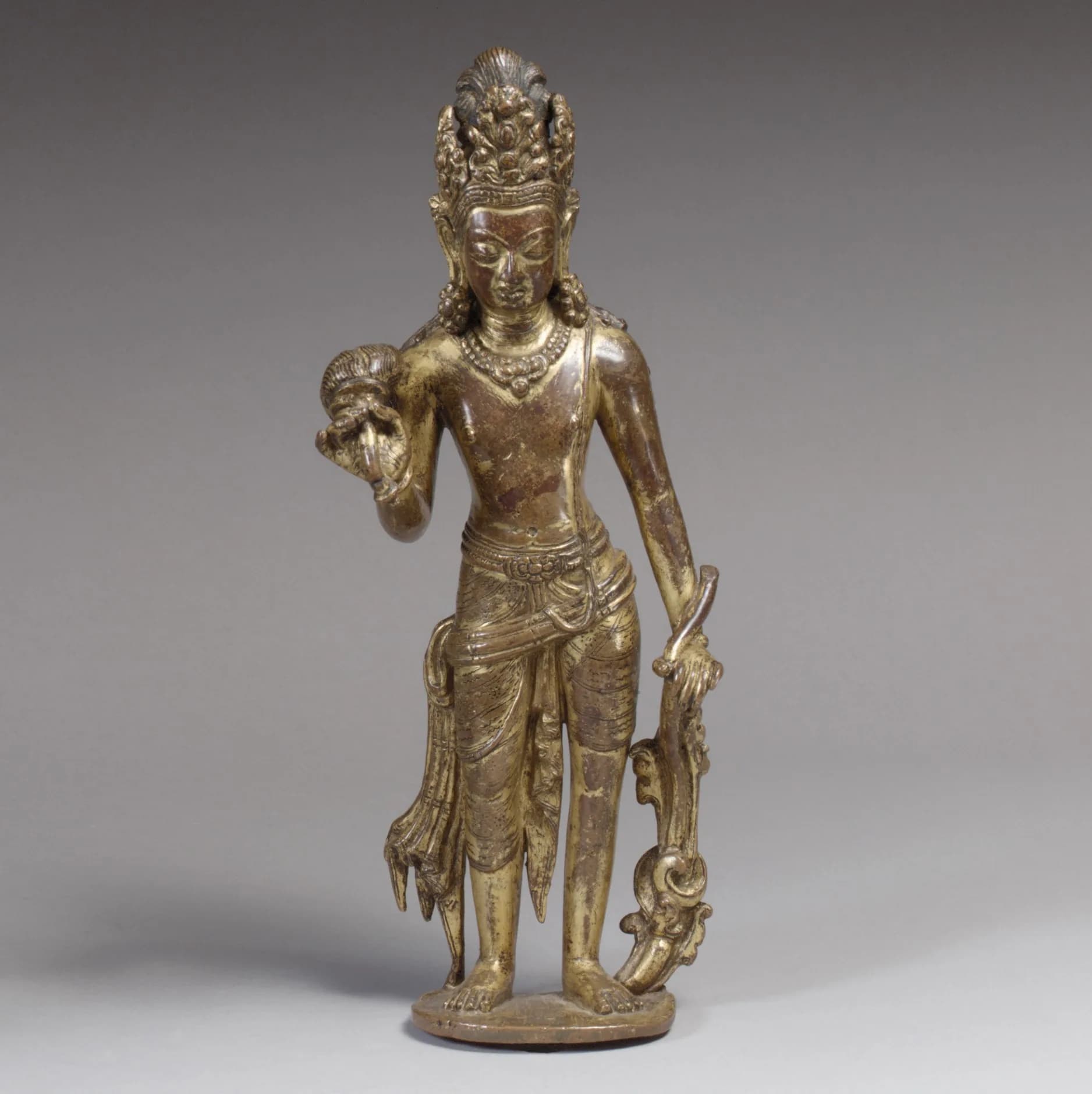
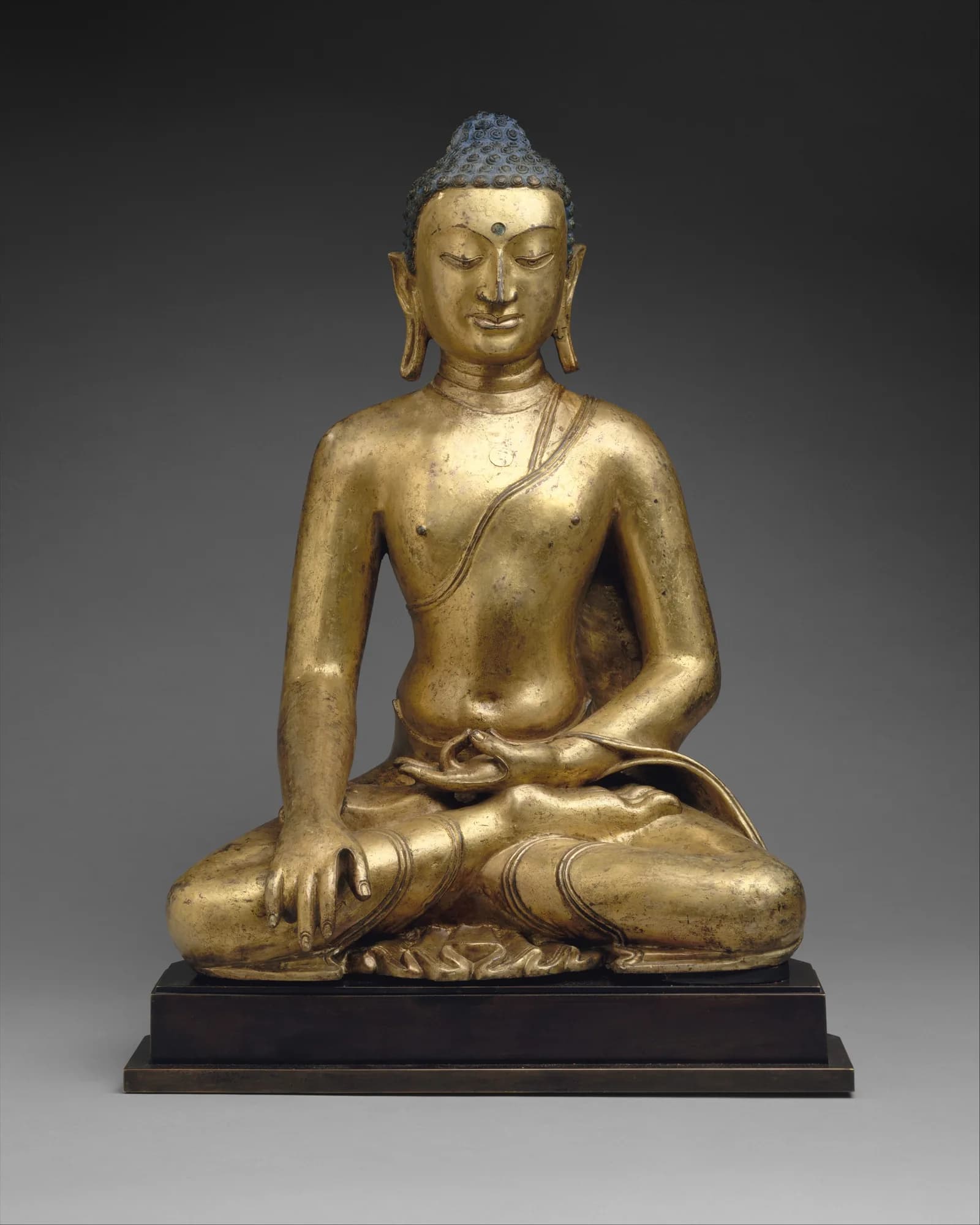
Shakyamuni Buddha, Earth-Touching
fromNPR 38,000
Oxidized copper, the classic compassion form
NPR 42,000
KLM-CHENRE-OX-06
Cast by hand in a named workshop
Made by Oku Bahal Shilpa in the Kathmandu valley, and paid for directly. About the workshop
Dispatched in two working days
Tracked the whole way. Anything over 10 kg travels by freight on a booked slot. Shipping and delivery
Nothing charged now
Pay the courier on delivery, or by wallet or bank transfer once we have confirmed the piece. How paying works
14 days to change your mind
Return it within 14 days of delivery, in the condition it arrived in. Refund policy
Measurements, materials and how this one was made — the facts a photograph cannot carry.
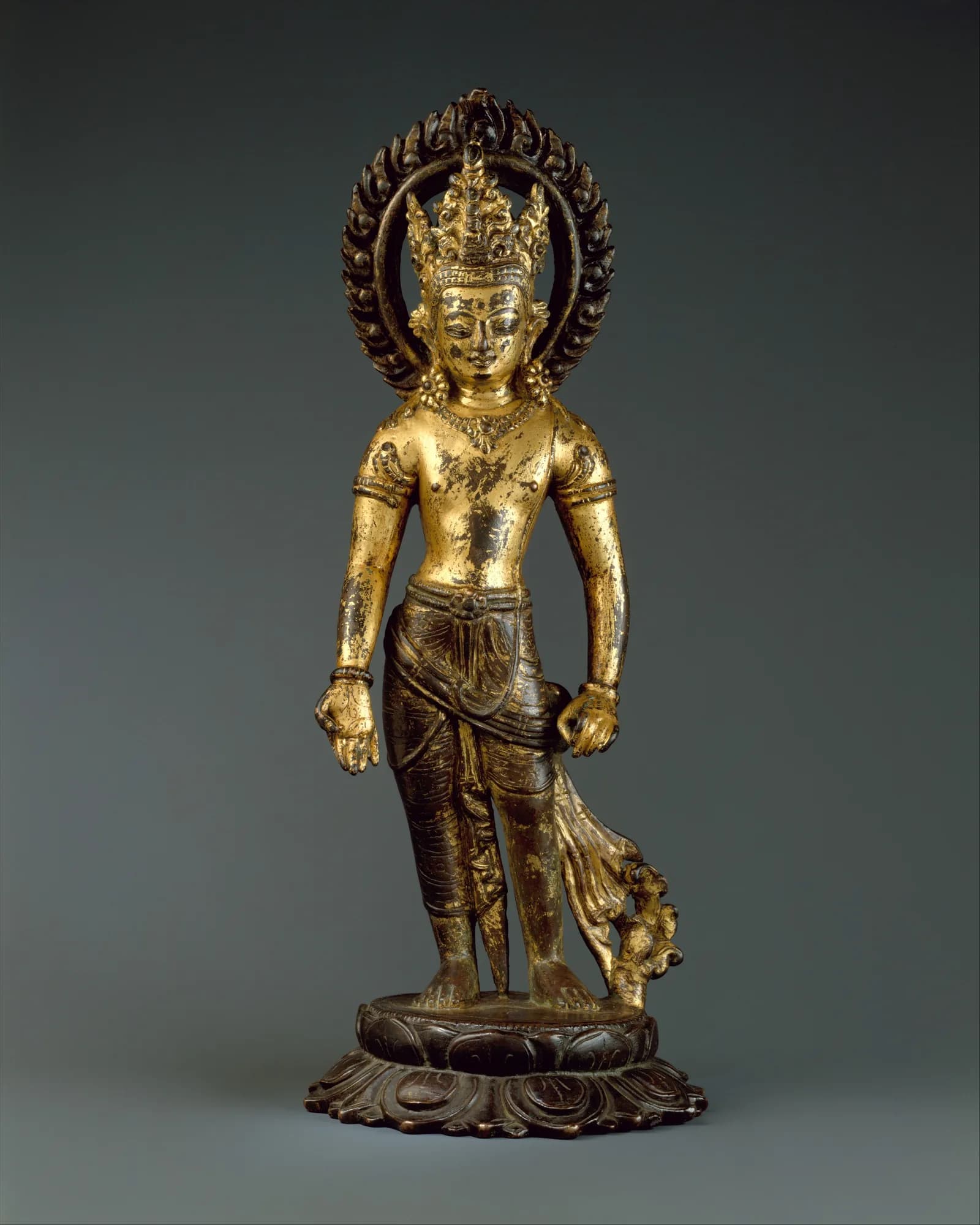
Chenrezig is the patron of the Kathmandu valley, and this is the piece the Patan workshops cast most often. Familiarity shows in the quality: the mould is refined every few years, and the hands — four of them, all different — come out cleaner than on any other multi-armed form we stock.
Cast by the lost-wax method the Newar workshops of Patan have used for roughly a thousand years. The artisan models the figure in wax, encases it in a clay and rice-husk mould, fires the mould so the wax runs out, and pours molten metal into the void that is left. The mould is broken to release the casting, so no two pieces from it can ever be identical. Chasing, filing and detailing the face are then done entirely by hand — the slowest part of the work, and the part that decides whether a statue is any good.
Dust weekly with a dry, soft cloth; a natural-bristle brush reaches into the crown, the jewellery and the petals of the lotus base. Never use water, metal polish or any commercial cleaner — the dark tone is a deliberate chemical patina and polishing strips it permanently. Keep out of damp rooms and direct sun. Lift by the base, never by an arm or an attribute.
In-stock pieces are dispatched within two working days and tracked all the way. Pieces over 10 kg travel by freight on a booked slot rather than by parcel carrier.
You can return it within 14 days of delivery, in the condition it arrived in. If you changed your mind you pay the return postage; if it was faulty or damaged in transit, we do. The refund policy sets out how, and the shipping policy covers costs and timings.
This piece has not been rated yet. Most of what we sell is made once, so a rating usually arrives after the first buyer has lived with it for a while.
We publish ratings from buyers we can match to an order, and nothing else — no incentivised reviews and no imported ones. Tell us about a piece you own and we will add it.
How we handle ratingsThe same hands
fromNPR 38,000
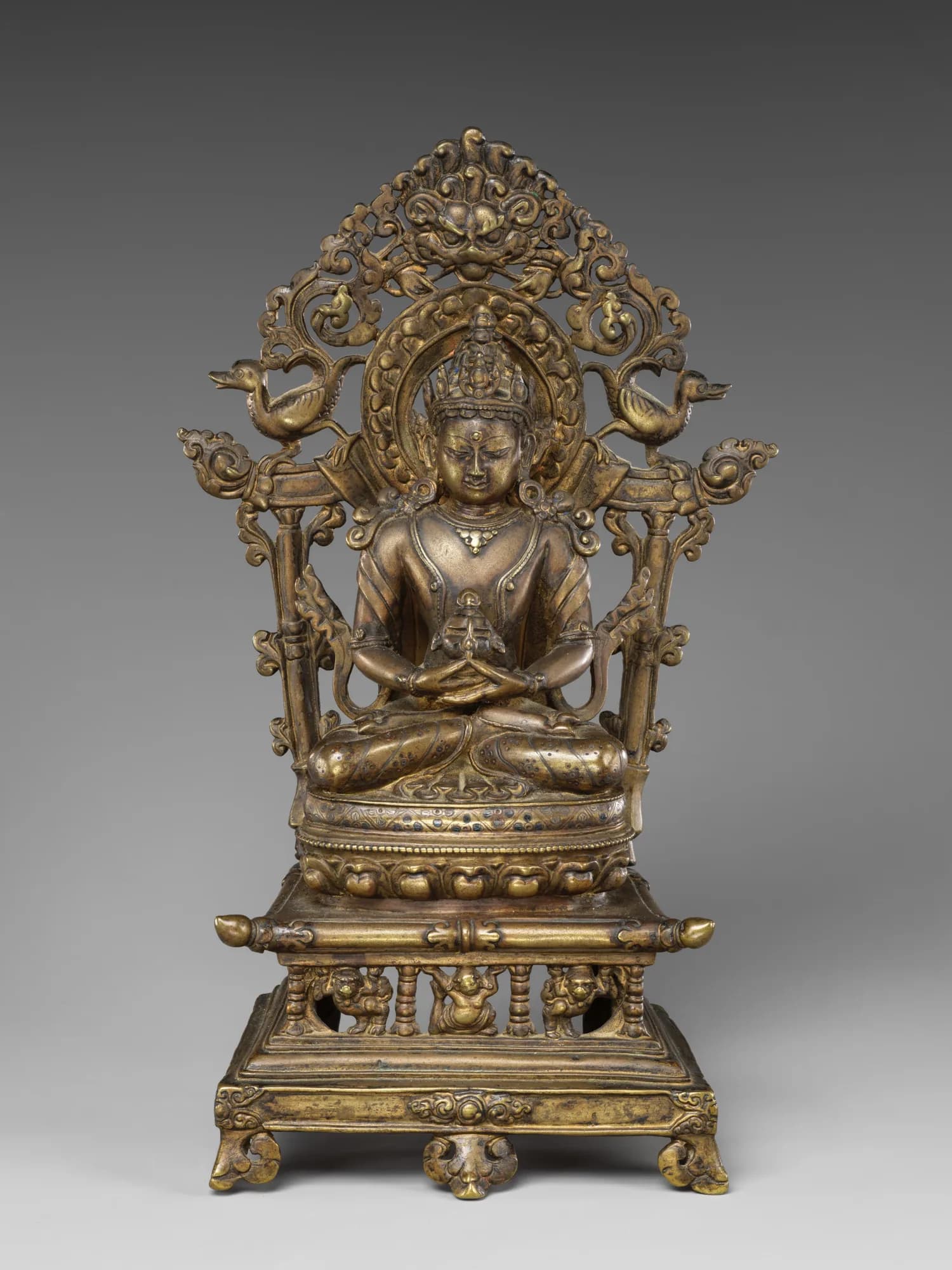
fromNPR 62,000
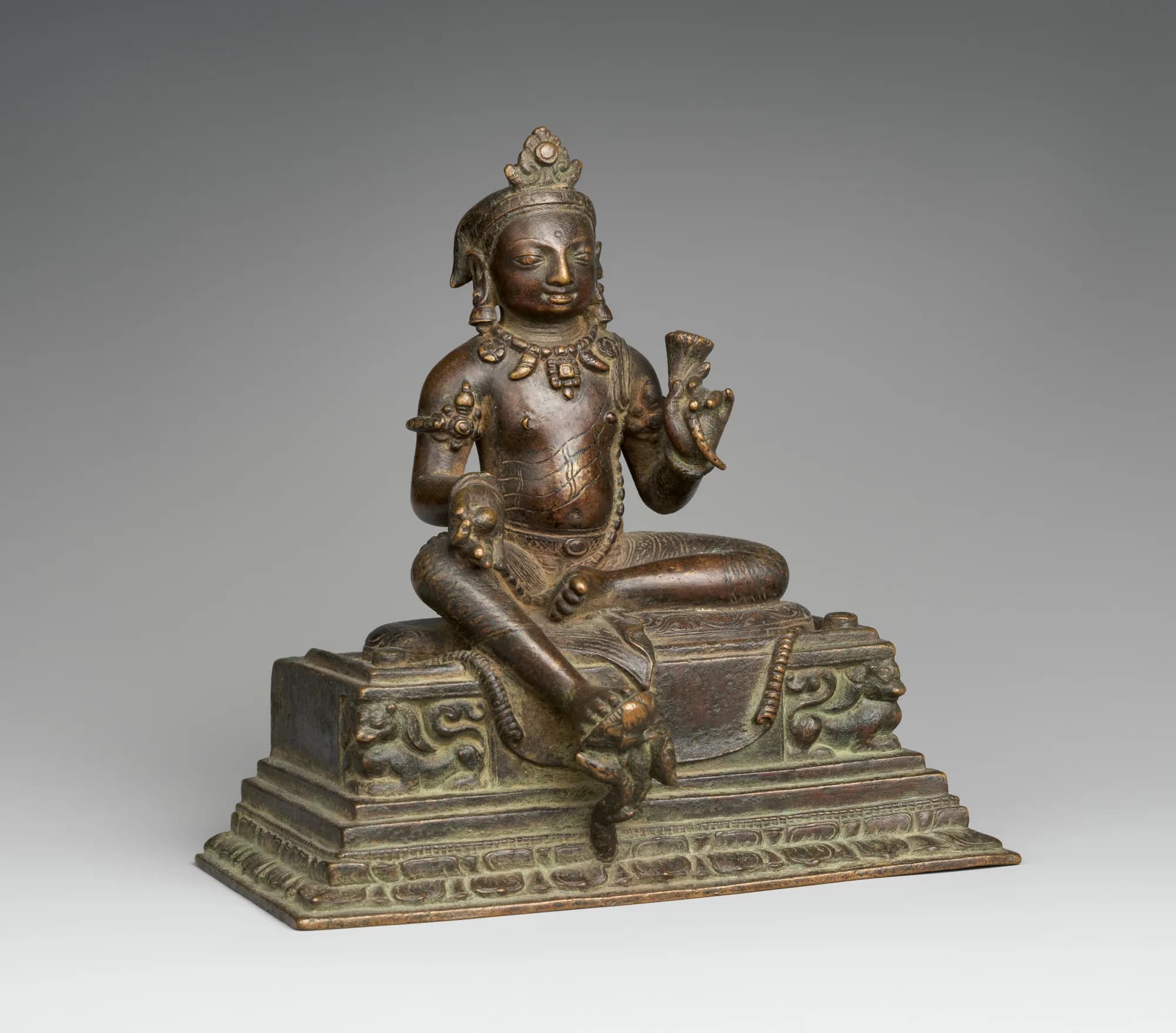
fromNPR 52,000

Sale priceNPR 96,000Regular priceNPR 113,500

fromNPR 64,000
NPR 96,000
NPR 116,000
NPR 78,000
fromNPR 104,000
NPR 86,000
NPR 168,000
Sale priceNPR 98,000Regular priceNPR 115,500
Alike